
The Most Polluting World Cup?
Each tournament is larger than the last, and the numbers suggest its carbon footprint is too. As the World Cup spreads across more teams, more cities and more borders, a question follows the celebration. Can the world’s biggest sporting event ever become a green one?

Every four years the world pauses for the same game, and every four years that game gets a little bigger. The 2022 tournament in Qatar pulled more than a million visitors into a country smaller than the American state of Connecticut. The 2026 edition, hosted jointly by the United States, Canada and Mexico, scatters forty-eight teams and one hundred and four matches across sixteen cities and most of a continent. The football itself stays the same. What shifts, from one edition to the next, is how far everyone has to travel to reach it.
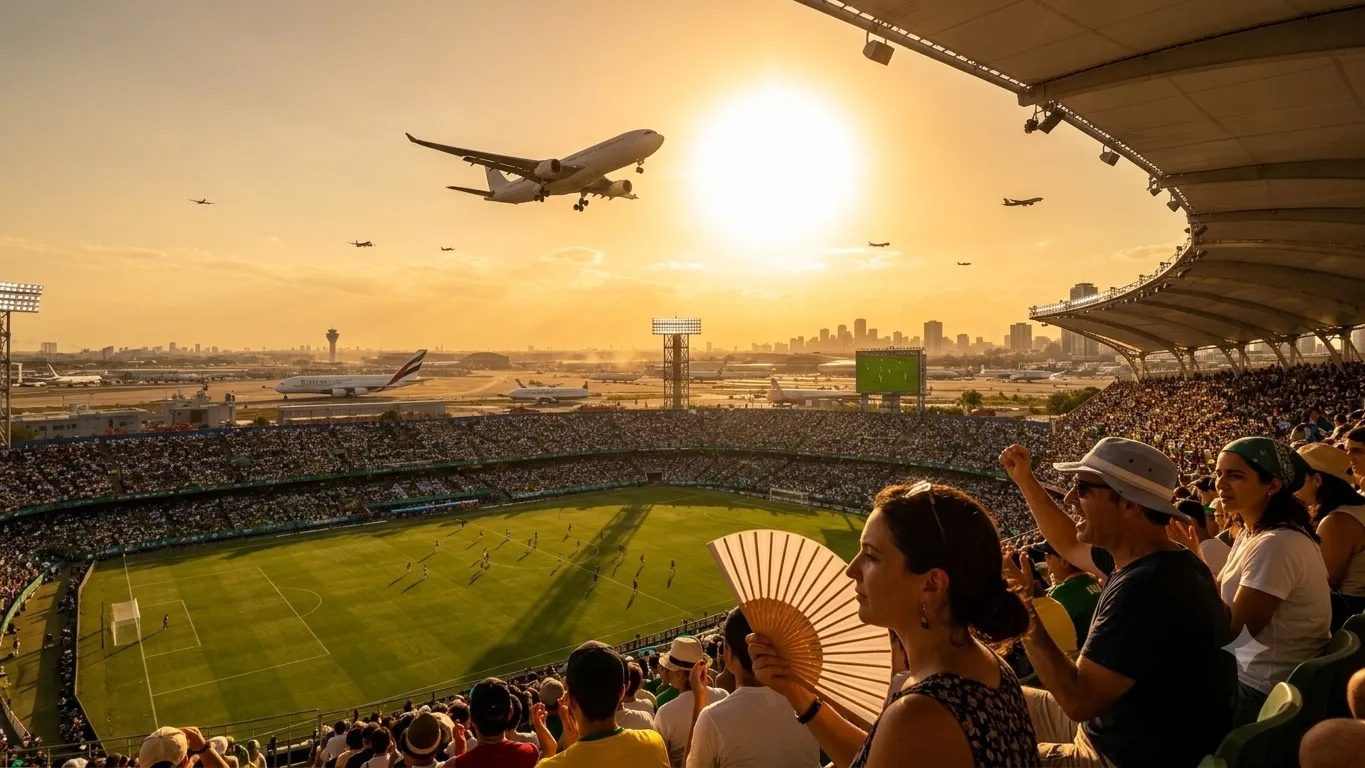
Those figures have become difficult to overlook. By FIFA’s own reckoning, the footprint of Qatar 2022 stood at around 3.6 million tonnes of carbon dioxide equivalent, already well past the 2.1 million tonnes tied to Russia four years earlier. More than half of that total came from transport alone, a single category that by itself outweighed the entire footprint of the Paris Olympics held two years later. Independent reviewers found even those official numbers generous, and Carbon Market Watch contended the real total had been understated, with the emissions from seven newly built stadiums perhaps several times higher than the figure reported.
The 2026 tournament tells that story almost in reverse. Its hosts are reusing existing stadiums instead of building them from scratch, so the share of emissions from construction drops to only around three per cent of the total. And yet the overall footprint is still projected to roughly double. The carbon accounting firm Greenly estimates the tournament will generate close to 7.8 million tonnes of carbon dioxide equivalent, a figure it compares to the yearly emissions of a small country. Other groups set the range higher still, from nine million tonnes to as much as fifteen.
Numbers on that scale are hard to picture. The comparison drawn most often places the projected emissions beside the yearly output of a small nation, roughly the level of Sierra Leone, while one British study converted a nine million tonne estimate into about six and a half million cars driven for a full year. Another analysis reckoned a single month of football could make up close to a third of the sport’s entire annual emissions. The estimates differ widely, but their direction does not.
What makes these figures striking is that almost none of them come from the football itself. The matches, the floodlights, the watered pitches and the travelling squads amount to little more than a rounding error beside the vast audience that gathers to watch them. Seen through that lens, a World Cup is less a sporting event than one of the largest voluntary movements of people the planet stages in a single month, and it is the movement, not the match, that the climate finally ends up recording.
The reason is written into the map. Where Qatar packed everything into one small country, the 2026 tournament asks its audience to cross a continent with almost no high-speed rail. Greenly estimates that spectator travel alone will make up close to eighty-eight per cent of the emissions, against roughly half in Qatar. The average overseas visitor is now expected to fly some nineteen thousand kilometres on a return trip, against about thirteen thousand four years earlier. Fans coming from abroad, only a third of the crowd, are projected to produce nearly three quarters of all travel emissions.
The detail beneath the totals is perhaps the most telling part of all. The journey, rather than the stadium or the floodlights, is what weighs the most, and it weighs quite differently depending on where the love of the game happens to live. A supporter flying out from India carries an estimated round trip of more than three tonnes of carbon dioxide, with those from Saudi Arabia, Iran and Egypt not far behind. There is something almost poignant in that arithmetic, that the very reach which makes the tournament feel universal is also what makes each act of devotion cost more.
None of this is the fault of any single host. It is the shape of the tournament itself, and that shape is still growing. The 2030 World Cup will be split among six countries across three continents, with its opening matches in South America and most of the competition in Spain, Portugal and Morocco. Each new host eases pressure on any one city and, in the same motion, adds another set of long-haul flights to the total. A format meant to share the game more widely also, almost by design, asks more people to fly further to see it.
It is worth pausing for a moment on what all that growth is really for. The expansion from thirty-two teams to forty-eight was framed, with some justice, as an act of inclusion, since more nations qualify, more federations share in the revenue, and more children grow up believing the tournament might one day be theirs. A magazine written for the next generation of leaders can hardly dismiss that ambition. The trouble is that the same decision which widens the circle also lengthens the flight paths, so that a more open game and a lighter one increasingly pull in opposite directions.
One Hundred Years of a Wider Game
Every edition has welcomed more teams than the one before it. Over a century the field has grown from thirteen nations to forty-eight.
104 matches · 16 cities
FIFA does not deny that travel sits at the centre of the problem. It has called flights one of the hardest emissions for any large event to control, and in 2021 it pledged to halve its emissions by 2030 and reach net zero by 2040. Yet it set no carbon target for the 2026 tournament itself, and its earlier promises have invited scrutiny. Qatar’s claim of a carbon neutral World Cup, resting partly on offsets that watchdogs judged weak, was challenged by advertising regulators in several European countries.
Then comes the question of how the bill gets settled. Both Qatar and FIFA leaned heavily on carbon offsets, credits meant to cancel out emissions produced elsewhere, and independent reviewers were unconvinced, noting that many such credits pay for work that would likely have happened anyway. An offset, the critics argued, is a debt moved rather than a debt cleared. Whether a tournament can honestly buy its way back to neutrality, or whether the only emissions that truly count are the ones never produced, is a question this magazine would rather leave open than answer on its readers’ behalf.
There are, the analysts add quickly, things that genuinely help. Reusing stadiums instead of raising new ones cut construction to a fraction of Qatar’s share. Denser, better connected host regions shorten the journeys that do the most damage. Scheduling that keeps teams and their supporters within one cluster of cities, rather than sending them back and forth across time zones, would matter more than any change to a stadium’s lighting. The biggest lever, every study agrees, is simply how far people travel and how they choose to do it.
That is where the question turns outward, toward the people who will one day inherit both the game and its consequences. A World Cup is, among other things, an enormous exercise in coordinated movement, and movement is the one variable that no offset can ever quietly erase. Whether the tournament that calls itself the world’s shared celebration can also become a genuinely sustainable one is not yet settled. It is an open question, and a useful one to put to a generation that will spend its careers deciding how far the world is willing to travel for the things it loves.
The 2026 World Cup brings forty-eight teams and one hundred and four matches across sixteen cities and three countries. Its projected carbon footprint, put by independent estimates between 7.8 and as much as fifteen million tonnes, comes mostly from the flights fans take rather than the football itself. FIFA has set no binding carbon target for the tournament, and the offsets that underpinned earlier carbon-neutral claims have drawn sustained challenge.
You might also like
 Main Feature
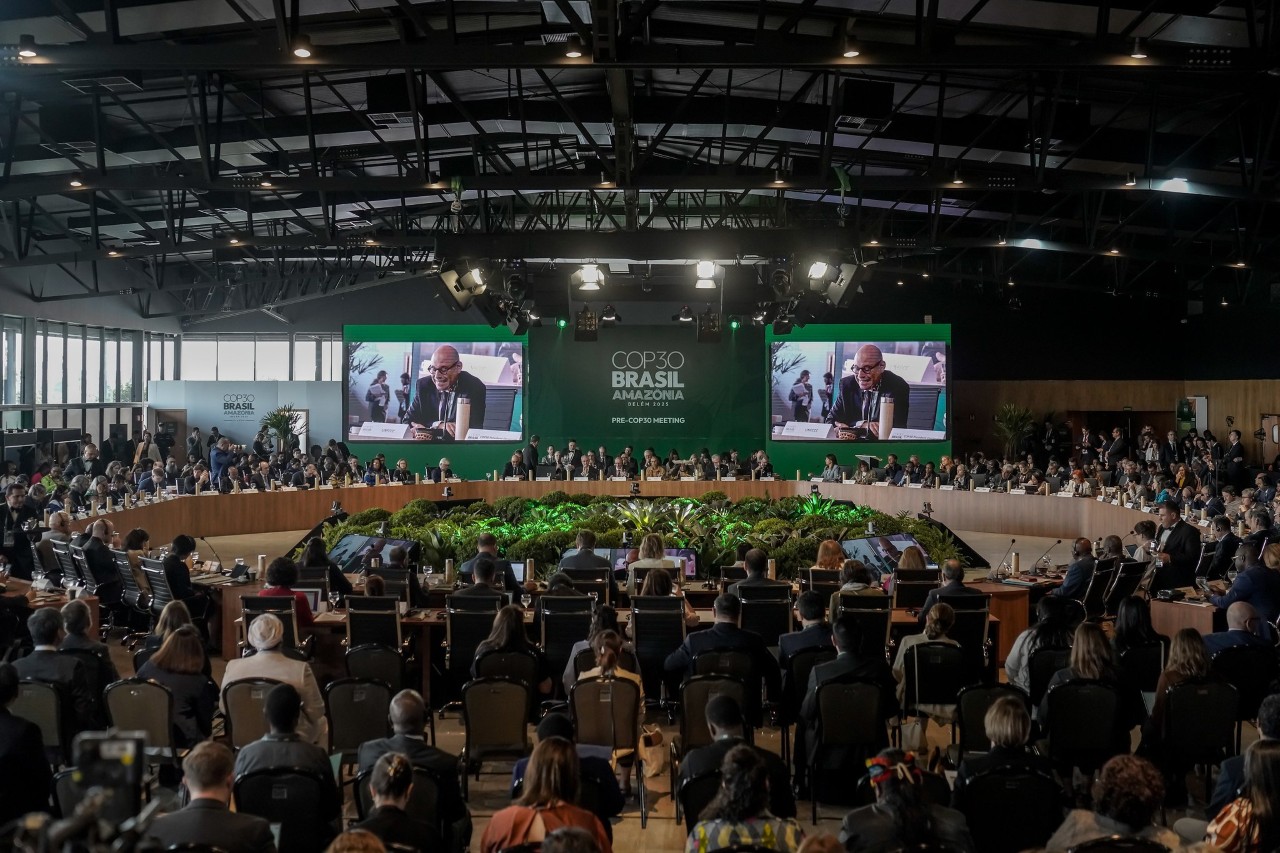
A Covenant at the Edge of the Amazon
A dispatch from where the rainforest meets the communities who live by it and work to defend it.
 Main Feature
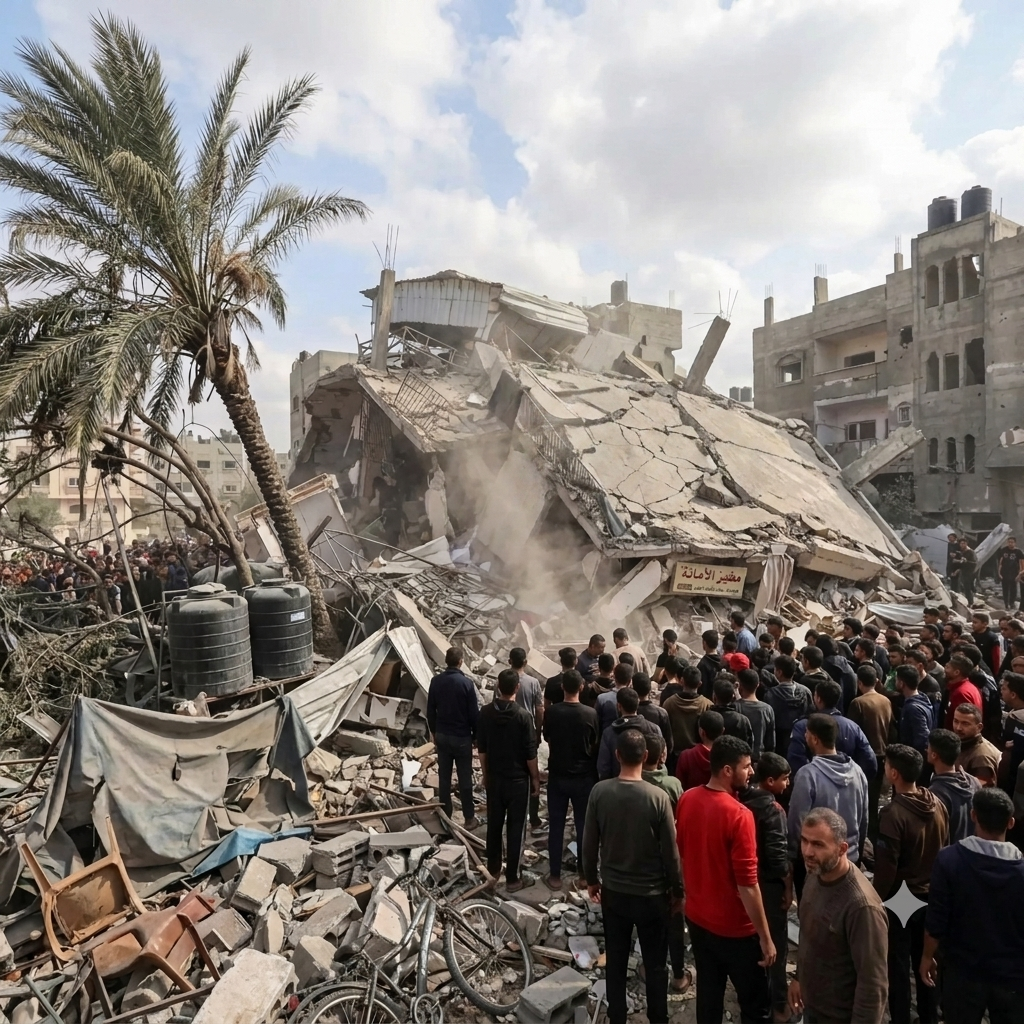
The Quiet Casualty
The environmental toll a conflict leaves behind, drawn from two United Nations assessments.
 Feature
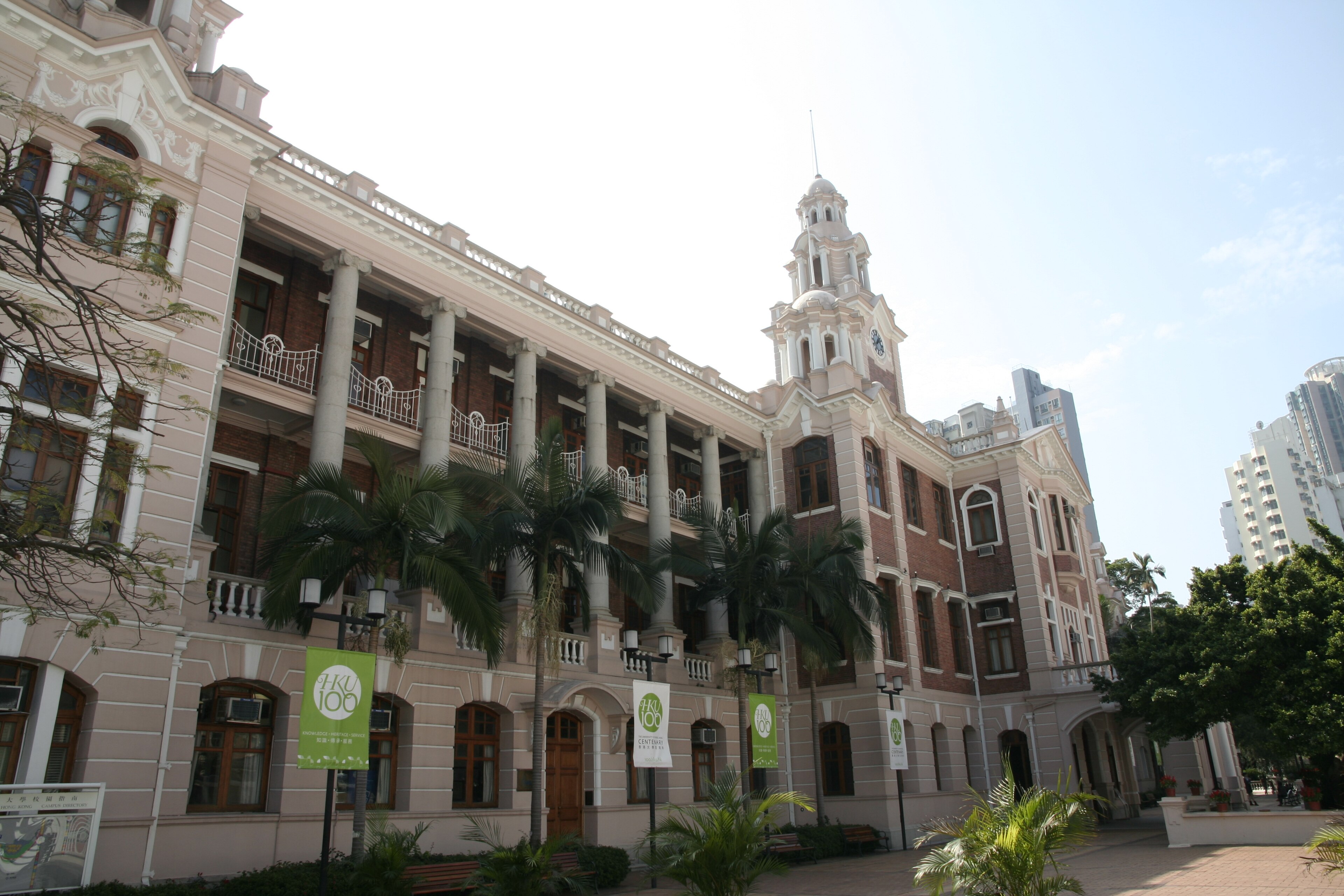
The Best Halls in Asia
Inside the campuses drawing the region's students, and the culture that comes with a place at them.