
Are You What You Did
Are You
What You
Did?
When something goes wrong in Korea, the public asks what kind of person you are. In Japan, it asks what you disturbed.
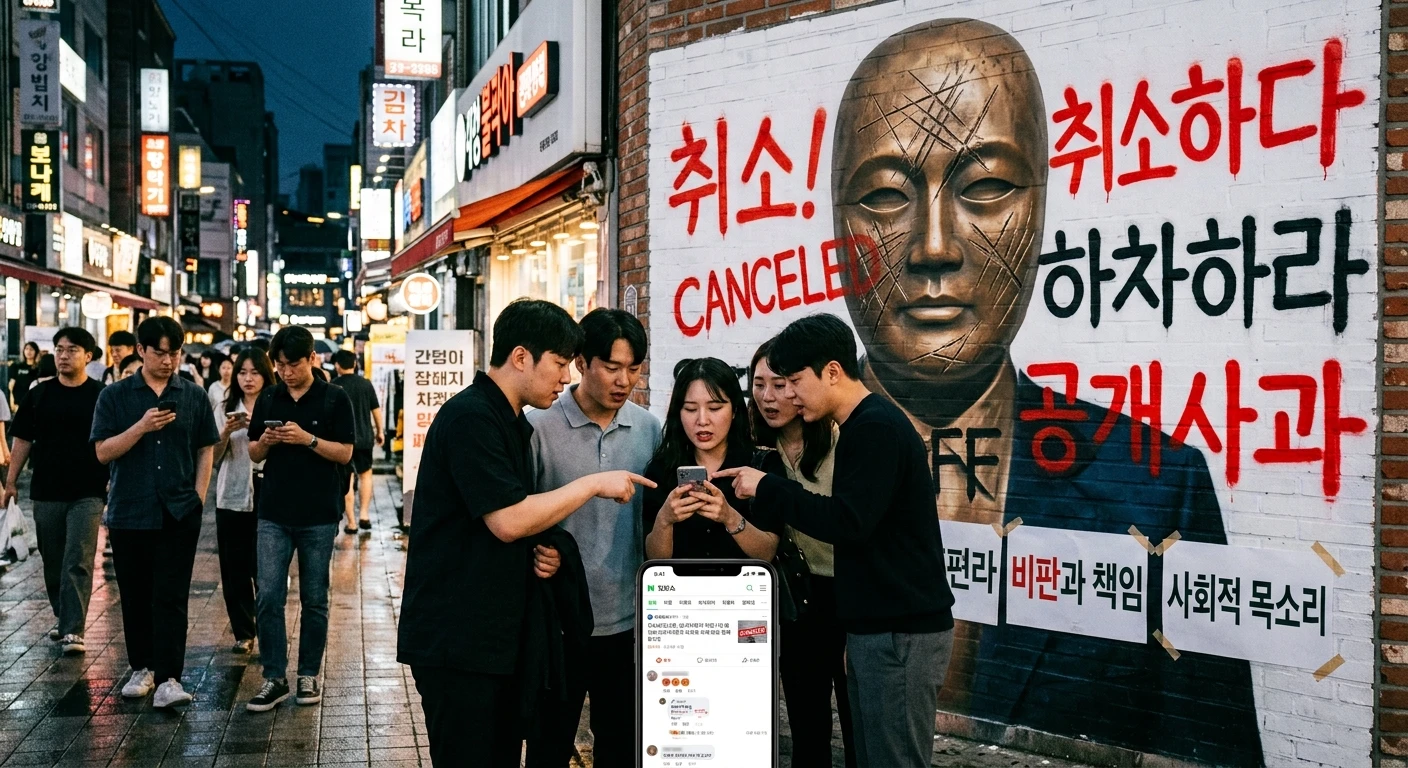
Across much of Asia, punishment for public wrongdoing no longer waits for a court. It is delivered by an audience. Someone does something wrong, a clip or a post spreads, and within days the consequences arrive. Contracts cancelled. Careers ended. A name known nationwide. No judge is involved, and there is nothing to appeal to.
Korea and Japan have the two most developed versions of this, and from outside they look like the same thing. They are not. Korea asks what kind of person you are. Japan asks what you disturbed. Almost everything else follows from that one difference.
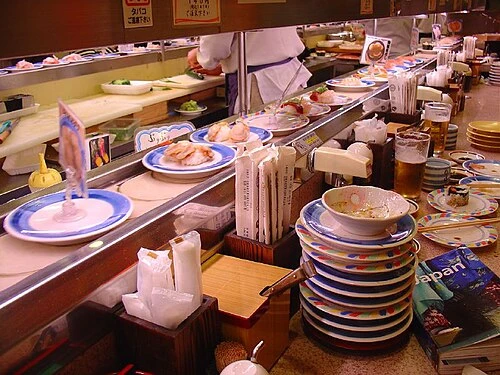
Start in Gifu, Japan, in January 2023. A seventeen year old boy sat down at a conveyor belt sushi restaurant, licked a shared soy sauce bottle, licked a teacup and put it back on the shelf, then touched a passing piece of sushi with a wet finger. A friend filmed it. About forty million people watched.
Shares in the chain's parent company fell nearly five percent. The company reported him to the police and sued for around sixty seven million yen. Sushi chains nationwide moved cutlery and sauce bottles behind the counter. The press named the wave sushi terrorism.
Now picture Seoul. Someone posts anonymously on a forum, saying a famous actor bullied them at school fifteen years ago. There is no court case and no evidence beyond the post. Within two days the actor has lost every brand deal, and the agency has announced an indefinite withdrawal from public life.
WHERE IT COMES FROM
Neither system was designed. Both grew from what was already there. Japan has had a word for the watching public since long before the internet. Seken, the network of people whose opinion regulates how you behave, is far older than shakai, the formal word for society, which Japan only coined in the 1870s to translate a Western idea. Enjō is seken with a search function.
Korea arrived from the opposite direction, through distrust. Schools, courts and companies had a long record of protecting the powerful, and the forums became the channel that worked when the official ones did not. Korea has also tried to legislate the crowd away. After an earlier wave of celebrity deaths it became the only country to require real names to comment on major sites. The Constitutional Court struck it down in 2012, finding it had not reduced malicious posting.
KOREA JUDGES THE PERSON
So Korean public shaming is about character. The key idea is insung, a person's moral fibre, treated as something you either have or you do not. A famous person is also a gongin, a public person. Your fame came from the public, so the public claims a right to inspect you.
The past never closes. Between 2021 and 2022 a wave of school bullying accusations swept through Korean entertainment and sport, almost all of it concerning events from more than a decade earlier. And there is a script. The accused enters jasuk, writes an apology by hand, and disappears. Those who fight the accusation, even when right, often never return.
THE PART NOBODY MENTIONS
Most coverage describes a moral public forcing companies to act. That is only half true. Much of it is contract law. Korean advertising contracts carry a morality clause, and Korea's Supreme Court confirmed in 2009 that these clauses are enforceable. Companies can end a contract early and demand the fee back, and some require repayment of double.
So a forty eight hour termination may not be reading public opinion. It may be reading a contract, priced years in advance.
The Korean crowd is not deciding what someone did. It is deciding who they are, and there is no way to appeal that.
JAPAN JUDGES THE DISTURBANCE
Japan's version is enjō, going up in flames. What sets it off is not bad character but meiwaku, causing trouble for other people. It rarely digs into a past, because the target usually has no public past. Its subjects are ordinary people, unknown until they disrupted something shared.
What the crowd protects is ordinary daily life. The problem with the Gifu video was not that the boy was a bad person. It was that he made something everyone depends on feel unsafe.
Tatsuo Tanaka and Shinichi Yamaguchi surveyed more than twenty thousand Japanese internet users and found that only about one in two hundred ever take part in enjō. A typical firestorm involves around two thousand people, and roughly ninety percent comment only once. What looks like a nation shouting is a very small group, made loud by coverage.
WHAT THEY SHARE
Underneath the difference sits the same machine. Both hand enforcement to an audience rather than an institution. Both collect payment in reputation, the one asset that can be seized without a hearing. And both are fast, which is the point rather than the flaw. A verdict arrives before any process could produce one.
That machine is not Asian. It appears wherever formal institutions fail the people who need them. The contrast is also a little too neat. Both countries hold both instincts. What differs is which question gets asked first.
WHAT IT BUYS, WHAT IT COSTS
Neither system is only cruelty. The Korean forums achieved in a week what schools and courts had avoided for a decade. Japan gets clean trains and honesty boxes that still work, because shame costs far less to enforce than police would.
The costs are just as real. Punishment matches attention rather than harm, and accuracy is not a precondition. Several accusations from the 2021 wave were withdrawn long after the sponsors had gone. And a system built to punish people who disturb group harmony will punish everyone who disturbs it, including those who should.
The human cost is not hypothetical. In late 2019 two young Korean performers died, both having spoken publicly about the abuse they received online. The portals Daum and Naver closed comment sections on entertainment news. The abuse did not stop. It moved into private messages.
WHAT FORGIVENESS IS FOR
Here is the deepest difference. Japan's system has an exit. Apologise, pay what is owed, and order is restored. The punishment was never about the person. It was about the disruption, and once that is repaired the matter can close.
Korea's system often has no exit. If the finding is about character rather than conduct, serving a penalty proves nothing, because the thing being punished is not something you did. It is something you are. No amount of jasuk changes it.
That is two different beliefs about people. One says a person is what they do, and what they do can change. The other says conduct reveals something fixed underneath, and the reveal cannot be undone.
THREE QUESTIONS
So, to a room of delegates. Is this the right way to punish people, or to teach them anything? A crowd is fast and costs nothing, but it cannot calibrate, cannot check what it was told, and cannot forgive on any schedule but its own.
Could it work anywhere else? Korea's version needs a public that agrees on what good character means. Japan's needs agreement on what counts as causing trouble. Move either away from the culture that built it and you keep the punishment while losing the understanding that made it make sense.
And what happens over a generation? If judgement keeps moving from institutions to crowds, the institutions get slower and less trusted, and the crowd grows to fill the space. Are we building a society with higher standards, or one that has moved punishment somewhere with no rules at all about how much of it a person deserves?
You might also like
 Feature
The Best Halls in Asia
Inside the campuses drawing the region's students, and the culture that comes with a place at them.
 Feature
Whose Fault Was the Flood
A neutral look at how responsibility is assigned once the water goes down.
 Feature
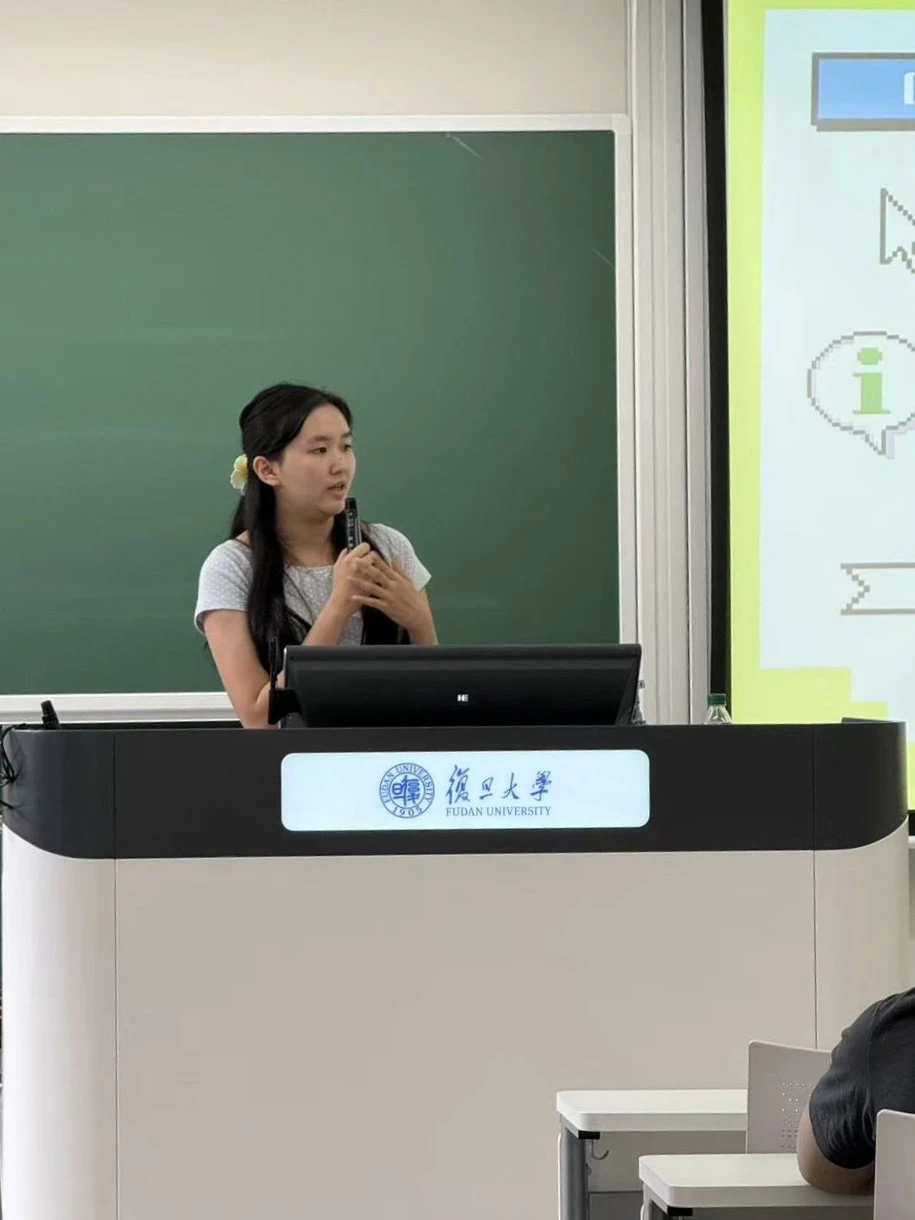
Bellicia Pho
She had never once debated in English before her first virtual conference. A year on, she studies economics in Shanghai at a university that has outrun every expectation she brought to it.